There is a part of Europe where the median salary is among the highest on the continent, the trains are the most punctual in the world, the Alps are forty minutes from your front door, the food is quietly extraordinary, and the official language is French. Most people moving abroad for work have never seriously considered it. That is a mistake.
La Romandie — French-speaking Switzerland — covers the cantons of Geneva, Vaud, Neuchâtel, Fribourg, Valais and part of Berne. Its two main cities are Geneva, an international finance and diplomacy capital of 620,000 people, and Lausanne, a compact university city of 180,000 on the shores of Lake Geneva. They are 65 kilometres apart and separated by the same lake, the same mountains and a cultural rivalry that the Swiss are too polite to acknowledge openly.
This is a guide for young couples — people in their late twenties or early thirties who earn reasonably well, value quality of life seriously, and want to understand whether Switzerland actually works as a place to live rather than just an impressive line on a CV.
Geneva or Lausanne: the question you have to answer first
Every conversation about moving to Romandie eventually comes back to this choice, and the answer matters more than people expect because the two cities have genuinely different characters.
Geneva is serious, international and expensive. It is the headquarters of the United Nations, the World Health Organization, CERN and the International Red Cross. It has the highest density of NGOs, banks and multinational corporations of any city its size in the world. English is the working language of most large employers. Rent is brutal — expect CHF 2,800 to 3,500 a month for a decent two-bedroom. The upside is that salaries are correspondingly high: a mid-level professional in finance, tech or pharma earns CHF 10,000 to 15,000 net per month without blinking.
Lausanne is more liveable, more playful and genuinely more beautiful. The city climbs up a steep hill from the lake and the views across to the French Alps are not something you get tired of. EPFL — one of Europe's top technical universities — anchors a strong startup and tech ecosystem. Rents are lower, the social scene is younger and there is a palpable energy that Geneva, for all its grandeur, sometimes lacks. The trade-off is lower average salaries and fewer jobs in finance.
Carouge, Geneva
The neighbourhood young couples actually want to live in. Sardinian architecture, Saturday market, excellent restaurants and a genuinely relaxed pace — unusual in Geneva.
Eaux-Vives, Geneva
Lakeside, walkable and trendy. Pricey but the Sunday market and proximity to the water make it one of Geneva's most sought-after addresses for under-35s.
Flon, Lausanne
Former industrial district turned into Lausanne's cultural hub. Rooftop bars, independent cinemas, great coffee. The go-to for young tech and creative professionals.
Pully, Lausanne
Quieter suburb five minutes from Lausanne centre, directly on the lake. Popular with couples starting families — better value than central Lausanne, extraordinary views.
The salary reality: what you actually earn
Swiss salaries are not just high — they are high in a way that most Europeans who have not lived there find genuinely difficult to believe until they see their first payslip. The figures below are based on 2026 data for French-speaking Switzerland.
Typical net salaries in Romandie (monthly, 2026)
Swiss income tax is levied at federal, cantonal and communal level simultaneously, which sounds alarming until you see the effective rates. In Geneva, a single person earning CHF 100,000 gross pays around 25–28% in total taxes and social contributions. In Vaud (Lausanne), slightly higher at 27–32%. These are meaningful rates but significantly lower than France, Belgium or Germany — and crucially, they apply to salaries that are already 60–80% higher than equivalent roles across the border.
For a young couple with two incomes in the CHF 8,000–11,000 range each, the combined monthly net after tax lands around CHF 14,000–18,000. After rent, health insurance and living costs, most couples save CHF 3,000–6,000 per month. This is the number that changes the long-term calculus entirely.
The honest cost of living for a couple
Switzerland is expensive. This needs to be said clearly and without the hand-wringing that usually accompanies it. A restaurant meal for two with wine costs CHF 120–180 in Geneva. A supermarket trolley that would cost €80 in France costs CHF 140–160 here. A cinema ticket is CHF 20. These numbers are real and they require adjustment.
Two habits dramatically reduce the cost of living: shopping across the border in France (30 minutes from Geneva, the supermarkets of Annecy and Ferney-Voltaire see more Swiss licence plates than French ones) and getting a Halbtax card — CHF 185 per year for 50% off every train, bus and cable car in Switzerland. It is the single best value purchase you will make.
Quality of life: what the money actually buys
Geneva has ranked first or second in Mercer's Quality of Living Index for twenty consecutive years. This is not a coincidence. The infrastructure is exceptional — public transport, healthcare, roads, cycle paths, schools — in a way that is hard to appreciate until you have lived there for six months and stopped noticing how smoothly everything works. When it eventually breaks down it feels genuinely strange.
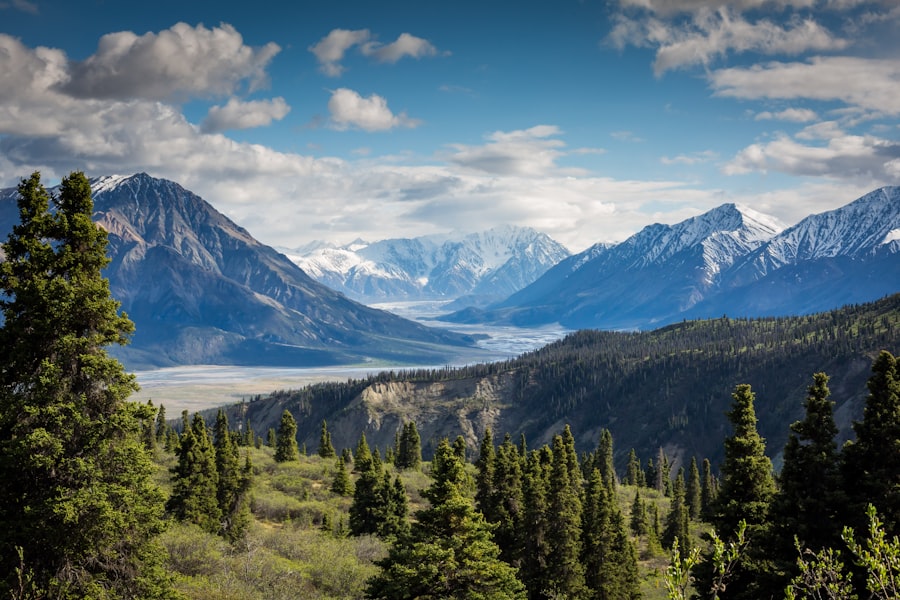
The nature access is the feature that surprises people most. You do not have to plan a trip to the mountains — you take a train on a Tuesday evening after work. Verbier is ninety minutes from Lausanne. Chamonix is an hour from Geneva. The lake is there every day, for swimming in summer, for running along in autumn, for staring at during winter. For couples who care about being outdoors, this is not a weekend amenity. It reshapes daily life.
The French language, combined with Swiss culture, produces an interesting hybrid: the warmth of francophone conviviality grafted onto Swiss precision and civic trust. The public spaces are clean, the bike lanes are respected, neighbours are polite, institutions work. After a few years of daily exposure, you stop taking this for granted and start actively missing it when you leave.
The healthcare surprise
Swiss healthcare is excellent. It is also the biggest shock for people arriving from France, Germany or anywhere with employer-subsidised health systems. In Switzerland, basic health insurance (LaMal) is mandatory and you pay it yourself — the employer contributes nothing. Budget CHF 400–550 per person per month for basic coverage, more if you choose a lower deductible. For a couple, that is CHF 800–1,100 every month before you have seen a doctor.
The silver lining is that the system works. GP appointments happen the day you call. Specialist referrals happen within days, not months. The hospitals are genuinely excellent. For a young couple, the primary cost is the premium rather than actual healthcare use — and that premium is offset by the salary premium. But it does need to be in your spreadsheet from day one.
Starting a family in Romandie
Switzerland is a good country in which to raise children and a challenging country in which to afford childcare. Maternity leave is 98 days at 80% of salary — adequate, if significantly shorter than France (16 weeks minimum). Paternity leave became 2 weeks in 2021, which Swiss political culture treated as a revolution. It is not generous by Nordic standards but it exists and is paid.
Childcare (crèche) costs CHF 2,000–3,500 per month per child in Geneva, with income-based subsidies that can reduce this substantially. Lausanne and other communes also offer subsidised places but waiting lists are long — register during the first trimester of pregnancy if you are serious. The Swiss school system, which begins at age 4 with école enfantine, is free, excellent and operates in French.
The frontalier question
Around 200,000 people cross into French-speaking Switzerland every day from France to work — the frontaliers. They live in the Haute-Savoie or Ain departments of France, where rents are 40–60% lower than Geneva or Lausanne, and commute across the border by car or train. The maths on paper are compelling: Swiss salary, French rent, French cost of living for groceries and restaurants.
The reality is more nuanced. Cross-border tax agreements mean frontaliers pay income tax to France (at French rates) on their Swiss salary — often a meaningful difference. The commute, especially into Geneva, can be 45 minutes to an hour each way depending on traffic and border crossings. You lose the ability to spontaneously cycle to work at 9pm or catch a last train easily. And you are not, in any meaningful sense, living in Switzerland.
For couples where only one partner works in Switzerland and the other works remotely or locally in France, the frontalier arrangement can work very well. For two people both working in Geneva who want to build a life there, living in Switzerland itself is almost always better despite the higher costs.
See Geneva's full cost breakdown and compare with other European cities
Geneva complete guide →